¿Qué es una batería de litio? ¿Por qué es la primera opción para el almacenamiento de energía?
Apr 24, 2026
Las baterías de litio se han convertido en la opción predominante en la industria del almacenamiento de energía. La razón principal es que su rendimiento integral cumple a la perfección con los estrictos requisitos de las redes eléctricas modernas y las energías renovables para los sistemas de almacenamiento de energía.
¿Qué es una batería de litio?
Una batería de litio puede considerarse como un mini almacén de energía recargable.
Principio de funcionamiento
A nivel microscópico, los iones de litio con carga positiva actúan como portadores de energía. Durante la carga, los iones de litio se desplazan desde el electrodo positivo a través del electrolito hasta el electrodo negativo para su almacenamiento. Durante la descarga, regresan al electrodo positivo. Este ciclo repetido permite el almacenamiento y la liberación de energía eléctrica.
Tipos comunes
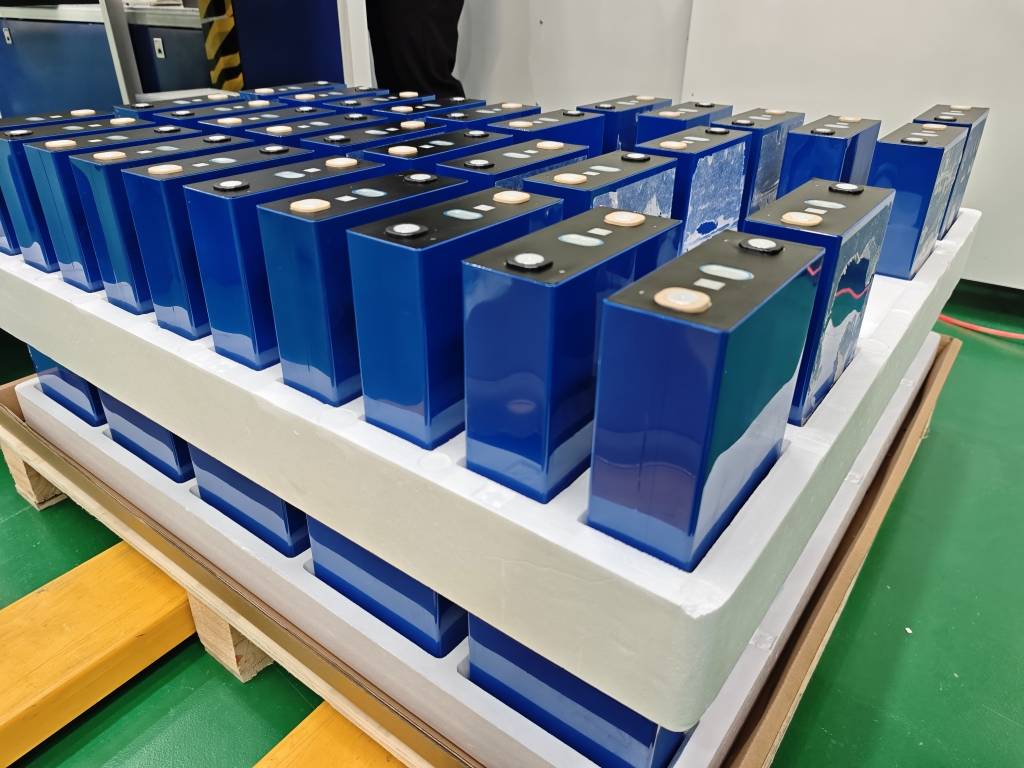
Clasificadas según el material del cátodo, los tipos más comunes incluyen las baterías de LiFePO4 y las baterías de litio ternarias. Las baterías de LiFePO4 son la opción predominante para aplicaciones de almacenamiento de energía.
¿Por qué se utilizan tanto las baterías de litio en el almacenamiento de energía?
A finales de 2022, las baterías de litio representaban más del 90 % de la capacidad instalada mundial de almacenamiento electroquímico de energía. Reconocidas por su rendimiento integral, las baterías de litio ofrecen un desempeño equilibrado y excepcional en todos los aspectos clave.
Rendimiento integral equilibrado
Logra un equilibrio óptimo entre densidad energética, vida útil, eficiencia de ciclo completo y control de costes, dominando el mercado de almacenamiento de energía sin deficiencias de rendimiento evidentes.
Alta densidad energética y ahorro de espacio
La densidad energética de las baterías LiFePO4 alcanza los 100-150 Wh/kg, entre dos y tres veces superior a la de las baterías tradicionales de plomo-ácido. Con la misma capacidad, ofrece un tamaño y peso reducidos, lo que las hace ideales para entornos comerciales e industriales con espacio limitado.
Ciclo de vida prolongado y menor costo a largo plazo.
Las baterías convencionales de LiFePO4 soportan más de 6.000 ciclos de carga y descarga, muchos más que los 500-1.000 ciclos de las baterías de plomo-ácido, lo que reduce considerablemente el coste total de funcionamiento durante su vida útil.
Alta eficiencia de conversión de energía
Su eficiencia de ida y vuelta alcanza entre el 90% y el 95%, con una pérdida de energía extremadamente baja durante la carga y la descarga.
Respuesta rápida para la estabilidad de la red
Las baterías de litio responden en milisegundos a las fluctuaciones de la red eléctrica, reduciendo los picos de demanda y compensando los valles para garantizar un funcionamiento estable de la red.
Por qué el LiFePO4 es la mejor opción para el almacenamiento de energía.
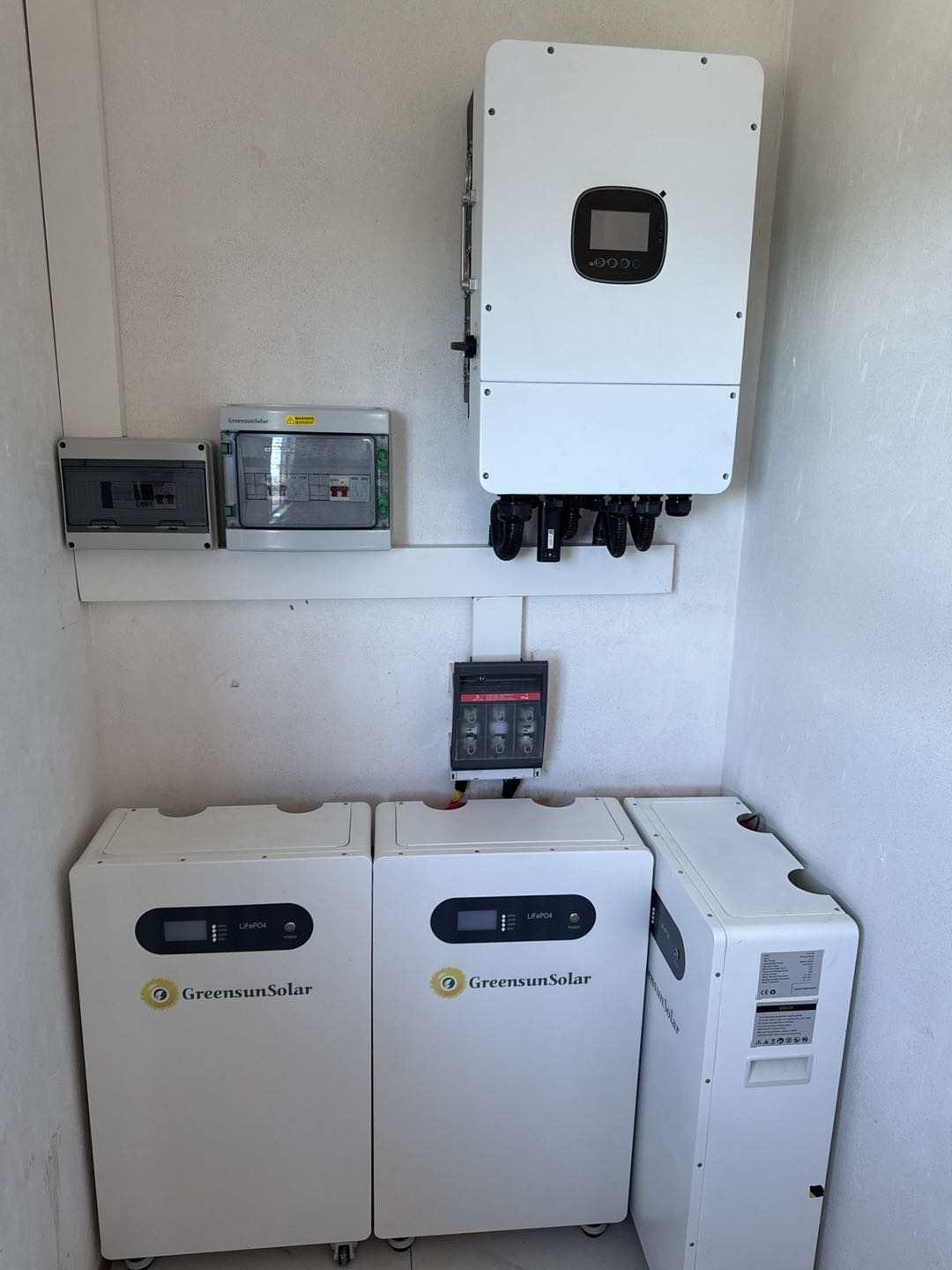
Entre las tecnologías de baterías de litio, las baterías LiFePO4 (adoptadas en los sistemas de almacenamiento de energía de Deye) destacan por tres puntos fuertes fundamentales:
- Mayor seguridad
Presentan propiedades químicas más estables y una temperatura de fuga térmica más alta que las baterías ternarias, lo que evita eficazmente los riesgos de incendio y explosión en las estaciones de almacenamiento de energía a gran escala. - Mayor rentabilidad
Un menor coste de los materiales, sumado a una vida útil ultralarga, se traduce en una mejor rentabilidad a largo plazo para los proyectos de almacenamiento de energía. - Ecológico y sostenible
Libre de metales pesados nocivos como el plomo y el cobalto, es respetuoso con el medio ambiente en su producción, funcionamiento y reciclaje, en consonancia con la tendencia mundial de la energía verde.
Resumen
La popularidad de las baterías de litio en el almacenamiento de energía es innegable. Gracias a su alta densidad energética, larga vida útil, alta eficiencia, rápida respuesta y ventajas en cuanto a costes, las baterías de litio superan a las de plomo-ácido y de flujo. Se han convertido en la base fundamental para la integración de energías renovables y la construcción de un sistema energético moderno.
 español
 English
 français
 العربية



 Soporta red IPv6