Bienvenido a
Greensun Solar Energy, please call
+86 187 1510 8506
for help
 español
 English
 français
 العربية
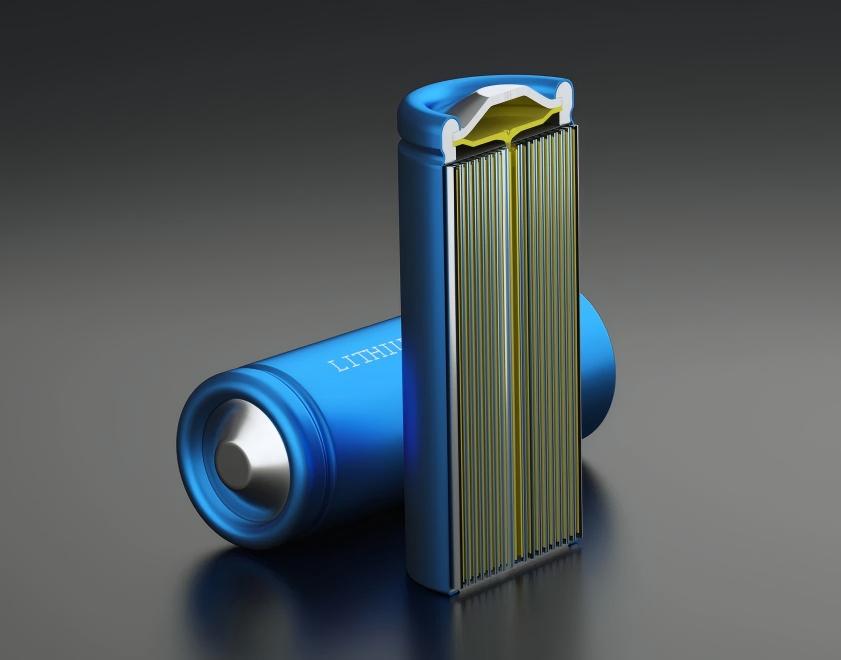
Hangzhou, 19 de marzo (Servicio de Noticias de China) -- Según un informe de la Universidad de Westlake del día 19, un equipo de investigación de dicha universidad ha desarrollado de forma innovadora un "electrolito acoplado mediante lanzadera", superando con éxito el principal obstáculo de la corta vida útil de las baterías de litio metálico sin electrodo negativo, y dando un paso firme hacia la producción en masa a gran escala de baterías de alta densidad energética.
Un equipo liderado por Wang Jianhui, de la Facultad de Ingeniería de la Universidad de Westlake, publicó un artículo titulado "La deposición y disolución planar de litio permite la creación de celdas tipo bolsa sin ánodo prácticas" en la revista Nature el 18 de octubre (hora de Pekín).
Las baterías de litio metálico sin electrodo negativo se consideran el "santo grial" del campo de las baterías de litio debido a sus ventajas de alta densidad de energía, bajo coste y fácil montaje, pero su defecto fatal de una vida útil extremadamente corta las ha mantenido en la fase de prototipo de laboratorio durante mucho tiempo.
Las baterías tradicionales sin electrodo negativo carecen de una fuente adicional de litio para su recarga. Durante la carga, los iones de litio tienden a depositarse de forma irregular en la superficie del colector de corriente de lámina de cobre, formando dendritas que desencadenan reacciones secundarias y producen litio inactivo, lo que provoca una rápida degradación de la batería. Los productos actuales tienen una vida útil de tan solo 10 a 150 ciclos, muy inferior a los más de 800 ciclos de las baterías de iones de litio comerciales.
Tras cinco años y medio de investigación, el equipo de Wang Jianhui desarrolló un "electrolito acoplado mediante lanzadera" capaz de lograr una deposición y disolución planar altamente sincrónica del litio metálico, resolviendo así de forma fundamental el problema de las dendritas.
Según Wang Jianhui, este electrolito puede formar una película SEI de polímero de boro-flúor uniforme y de espesor subnanométrico en la superficie del electrodo negativo. Esta "piel adaptativa" permite que los iones de litio entren y salgan de manera uniforme, adaptándose a la expansión y contracción del litio metálico sin romperse. Más importante aún, esta película SEI se forma mediante la evolución sinérgica de los electrodos positivo y negativo en el espacio, superando la teoría tradicional de la química de la interfaz electrolítica.
Los datos experimentales muestran que la batería de bolsa de litio metálico sin electrodo negativo desarrollada por el equipo alcanza una densidad energética de 508 Wh/kg y 1668 Wh/L sin modificación del colector de corriente ni reposición externa de litio. Mantiene un ciclo estable durante más de 350 ciclos con una profundidad de descarga del 80 %, admite descarga continua a 2650 W/kg durante más de 130 segundos y funciona en un amplio rango de temperatura de -40 °C a 60 °C. El coste unitario por vatio-hora es entre un 15 % y un 25 % inferior al de las baterías de iones de litio comerciales basadas en grafito. El análisis de titulación por espectrometría de masas confirma que el porcentaje de "litio muerto" tras un funcionamiento prolongado es de tan solo el 3,5 %, mucho menor que el de electrolitos avanzados similares.
El mecanismo propuesto de deposición y disolución planar de litio supera la inestabilidad inherente de las estructuras de electrodos metálicos sin soporte, abriendo un nuevo camino para el desarrollo de electrodos metálicos de alto rendimiento más allá del mecanismo de "química de incrustación". Se espera que este avance impulse el desarrollo de coches voladores, vehículos eléctricos, gafas de realidad aumentada/virtual y otros campos, permitiendo que escenarios como los vuelos interurbanos diarios para coches voladores y la duplicación de la autonomía de los vehículos eléctricos pasen del concepto a la realidad.



 Soporta red IPv6